low-carbon energies
Designing realistic and operational decarbonisation pathways
Carbon neutrality requires a sustainable transformation of energy systems and industrial models. Faced with regulatory requirements, changing energy costs and climate targets, local authorities, industrialists and operators must identify the most appropriate solutions to reduce their greenhouse gas emissions whilst maintaining their competitiveness and energy security.
Mobilise all levers of the energy transition
Decarbonisation relies on a combination of complementary solutions: improving energy efficiency, making the most of local resources, developing renewable energy, upgrading existing infrastructure and integrating new low-carbon technologies. The success of these projects depends on finding a balance between climate challenges, technical feasibility, regulatory constraints and economic viability in order to establish solid and sustainable transition pathways.
From strategy to project implementation
Our support covers the entire value chain, from strategic decarbonisation studies to design & construction supervision and operational monitoring. The approach combines energy expertise, infrastructure engineering and an understanding of regional challenges in order to deliver projects that are immediately operational. It involves all the key factors needed for achieving the energy transition: decarbonisation of industrial sites, waste-to-energy, local heating networks, renewable energy, carbon capture, use and storage (CCUS) and strategic decarbonisation studies.
our expertise
Decarbonisation of industrial sites
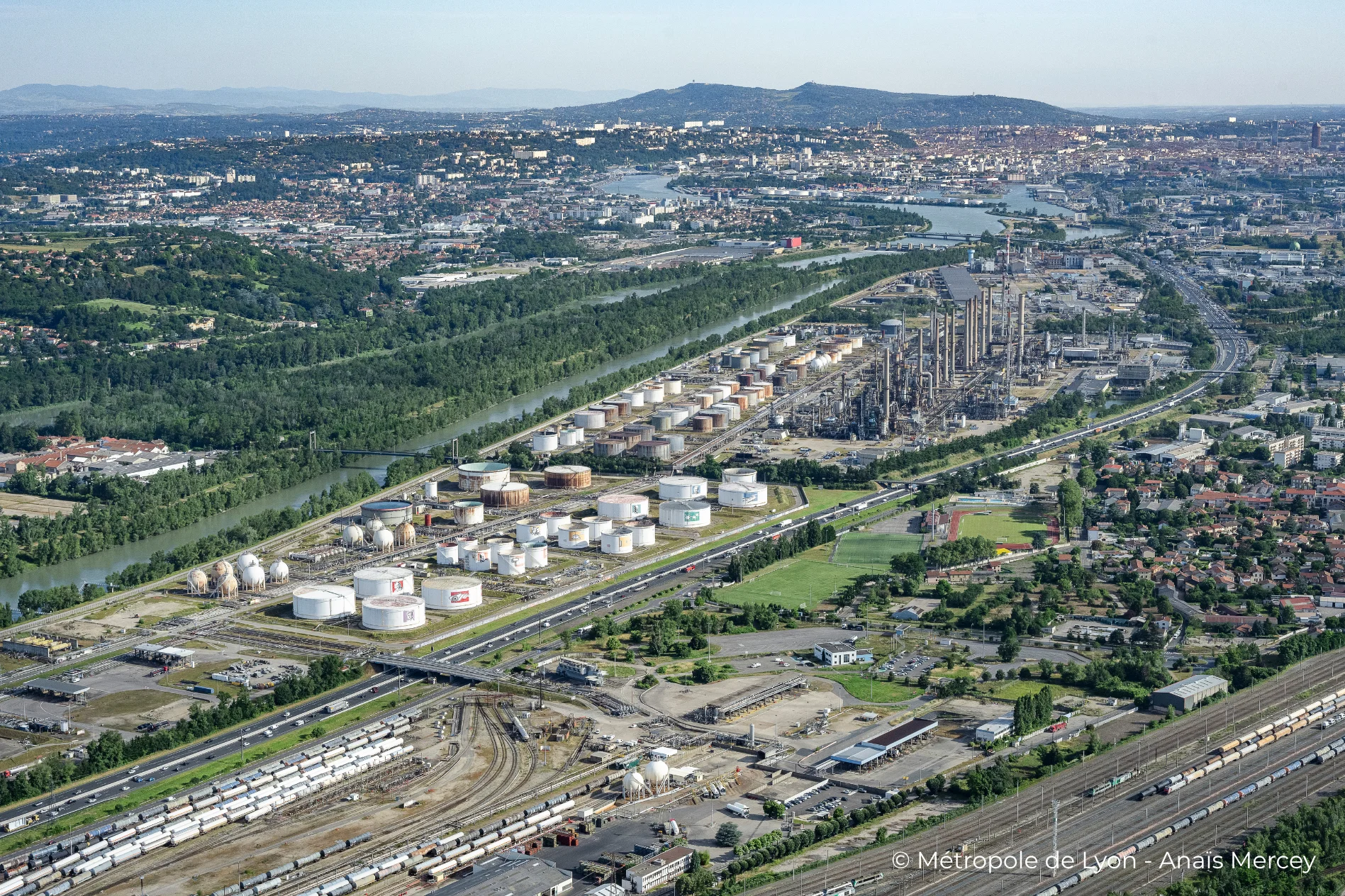
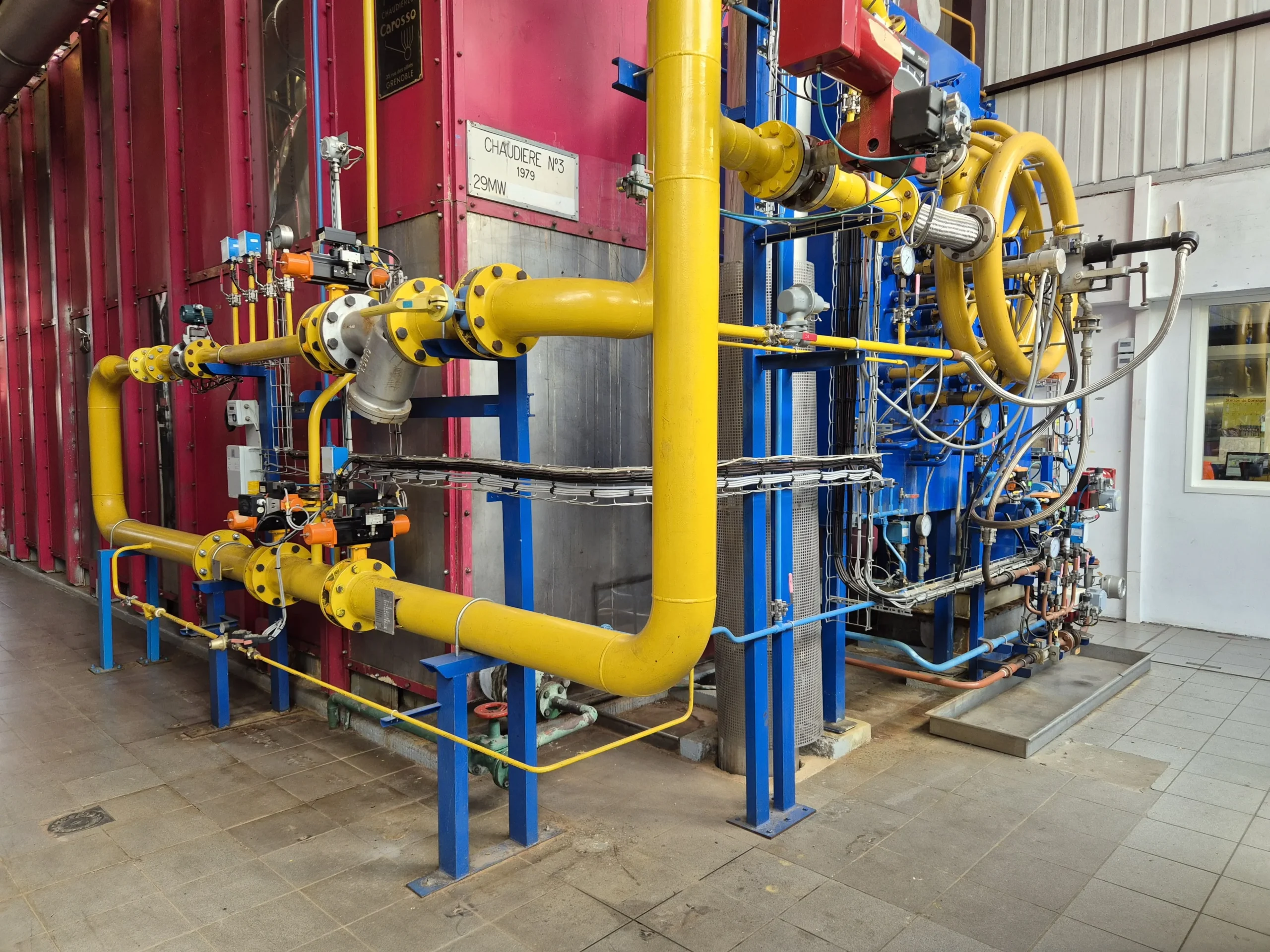
Analysis of greenhouse gas emissions, optimisation of energy consumption, recovery of waste heat and development of decarbonisation pathways tailored to industrial challenges.
Energy recovery and low-carbon infrastructure
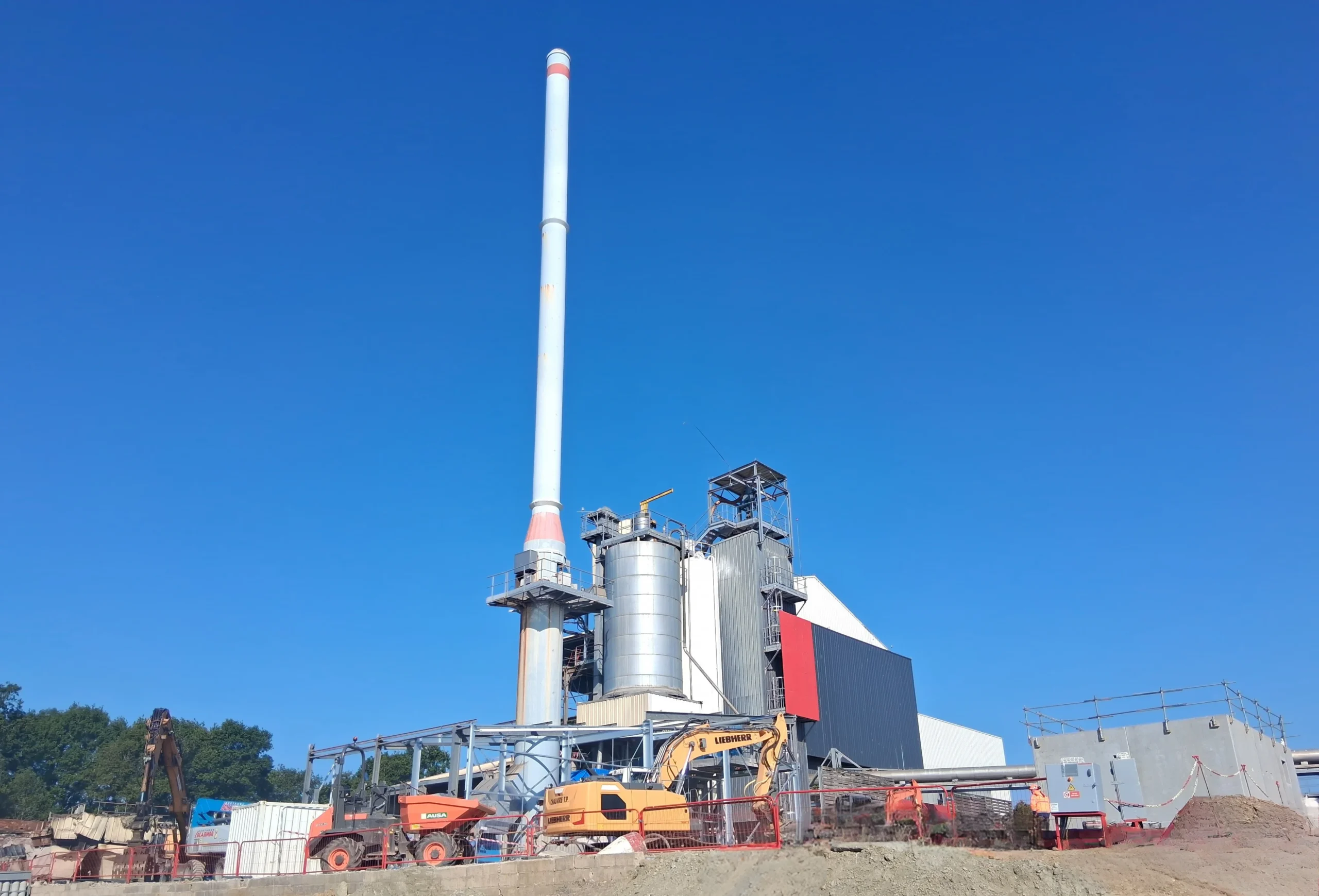
Design, optimisation and decarbonisation of energy recovery units (ERUs), biomass plants and infrastructure contributing to the production of low-carbon energy.
Heating and cooling networks and thalassothermy
Feasibility studies, design and project management of networks powered by local and renewable resources, contributing to the decarbonisation of regions.
Photovoltaics and renewable energies
Feasibility studies, potential identification, territorial integration and project support renewable energy production.
Carbon capture, utilisation and storage
Evaluation of solutions for carbon capture, utilisation and storage in the transition strategies for industrial sites and energy infrastructure.
our mission

Strategic decarbonisation studies
The analysis is based on the production of greenhouse gas emissions inventories, energy analyses and life-cycle assessments, as well as on the evaluation of various transition scenarios. Each option is examined in terms of its impacts, costs, investment requirements and the environmental and social co-benefits associated with it.
This approach enables the development of low-carbon roadmaps that are prioritised and immediately operational, by identifying priority actions, implementation timetables and the conditions for the success of projects. It thus helps to guide investment decisions, structure regional decarbonisation initiatives and develop credible and realistic transition pathways.

Technical and environmental due diligence
Des independent technical and environmental due diligence are carried out on energy projects and assets in France and internationally in order to assess their performance technique, their regulatory compliance, their operational and environmental risks as well as their alignment with the objectives of energy transition and of decarbonisation.
These analyses contribute to investors, local authorities, operators and financial partners a clear overview of strengths, areas to watch and levers for project improvement, enabling secure investment decisions, to optimise assemblies and inform strategic choices.
The quality of these assignments relies on a thorough knowledge of the infrastructure being assessed. The expertise developed over the energy recovery facilities, the district heating networks, the facilities biomass, the projects of methanisation, the infrastructure of renewable energy production or even the solutions of carbon capture allows for an independent perspective, based on recognised technical expertise of the analysed assets.

Project management assistance and project management for energy projects
This comprehensive approach helps to secure decisions, manage technical, regulatory and financial risks, and ensure the consistency of the project at every stage of its development.
Historical expertise in the waste treatment, the flue gas treatment and there energy recovery has helped to support numerous projects across the entire region, notably energy recovery facilities, facilities biomass, of some district heating networks and energy transition infrastructure.
The intervention draws on skills in energy engineering, industrial processes, civil engineering, VRD, electricity, fire safety and environment, to ensure the long-term technical, environmental and economic performance of the facilities.
Historic collaborations with law firms and some financial cabinets also make it possible to offer group support covering all dimensions of the project: technical, regulatory, contractual and financial. This integrated approach provides contracting authorities with a global vision and facilitates decision-making throughout the project.
The analysis is based on the production of greenhouse gas emissions inventories, energy analyses and life-cycle assessments, as well as on the evaluation of various transition scenarios. Each option is examined in terms of its impacts, costs, investment requirements and the environmental and social co-benefits associated with it.
This approach enables the development of low-carbon roadmaps that are prioritised and immediately operational, by identifying priority actions, implementation timetables and the conditions for the success of projects. It thus helps to guide investment decisions, structure regional decarbonisation initiatives and develop credible and realistic transition pathways.
Des independent technical and environmental due diligence are carried out on energy projects and assets in France and internationally in order to assess their performance technique, their regulatory compliance, their operational and environmental risks as well as their alignment with the objectives of energy transition and of decarbonisation.
These analyses contribute to investors, local authorities, operators and financial partners a clear overview of strengths, areas to watch and levers for project improvement, enabling secure investment decisions, to optimise assemblies and inform strategic choices.
The quality of these assignments relies on a thorough knowledge of the infrastructure being assessed. The expertise developed over the energy recovery facilities, the district heating networks, the facilities biomass, the projects of methanisation, the infrastructure of renewable energy production or even the solutions of carbon capture allows for an independent perspective, based on recognised technical expertise of the analysed assets.
This comprehensive approach helps to secure decisions, manage technical, regulatory and financial risks, and ensure the consistency of the project at every stage of its development.
Historical expertise in the waste treatment, the flue gas treatment and there energy recovery has helped to support numerous projects across the entire region, notably energy recovery facilities, facilities biomass, of some district heating networks and energy transition infrastructure.
The intervention draws on skills in energy engineering, industrial processes, civil engineering, VRD, electricity, fire safety and environment, to ensure the long-term technical, environmental and economic performance of the facilities.
Historic collaborations with law firms and some financial cabinets also make it possible to offer group support covering all dimensions of the project: technical, regulatory, contractual and financial. This integrated approach provides contracting authorities with a global vision and facilitates decision-making throughout the project.
Transform climate ambitions into tangible projects
- Reduce greenhouse gas emissions
- Build credible decarbonisation pathways
- Promote local energy resources
- Secure energy investments
- Enhance the environmental performance of infrastructure
- Meet climate and regulatory objectives
- Secure investment decisions through due diligence
Our clients

- Local authorities and territories, intercommunal authorities, metropolitan areas, energy syndicates and regions developing district heating networks or driving local energy transition strategies.
- Manufacturers and production sites subject to regulatory or voluntary decarbonisation targets, seeking to optimise their energy consumption, recover waste heat or integrate low-carbon solutions into their processes.
- Energy infrastructure operators and managers, heating and cooling network managers, energy-from-waste facility operators, renewable energy project developers (photovoltaic, biomass, geothermal...).
- Infrastructure investors, ESG investment funds, financial stakeholders seeking independent expertise to evaluate the performance and risks of their energy assets.
- Public and private clients integrating low-carbon energy solutions into their urban planning, refurbishment or new-build projects.
- Consultancies, client support officers or partners seeking specialist expertise on specific technical topics (CCUS, life cycle assessment, energy modelling, environmental evaluation)